

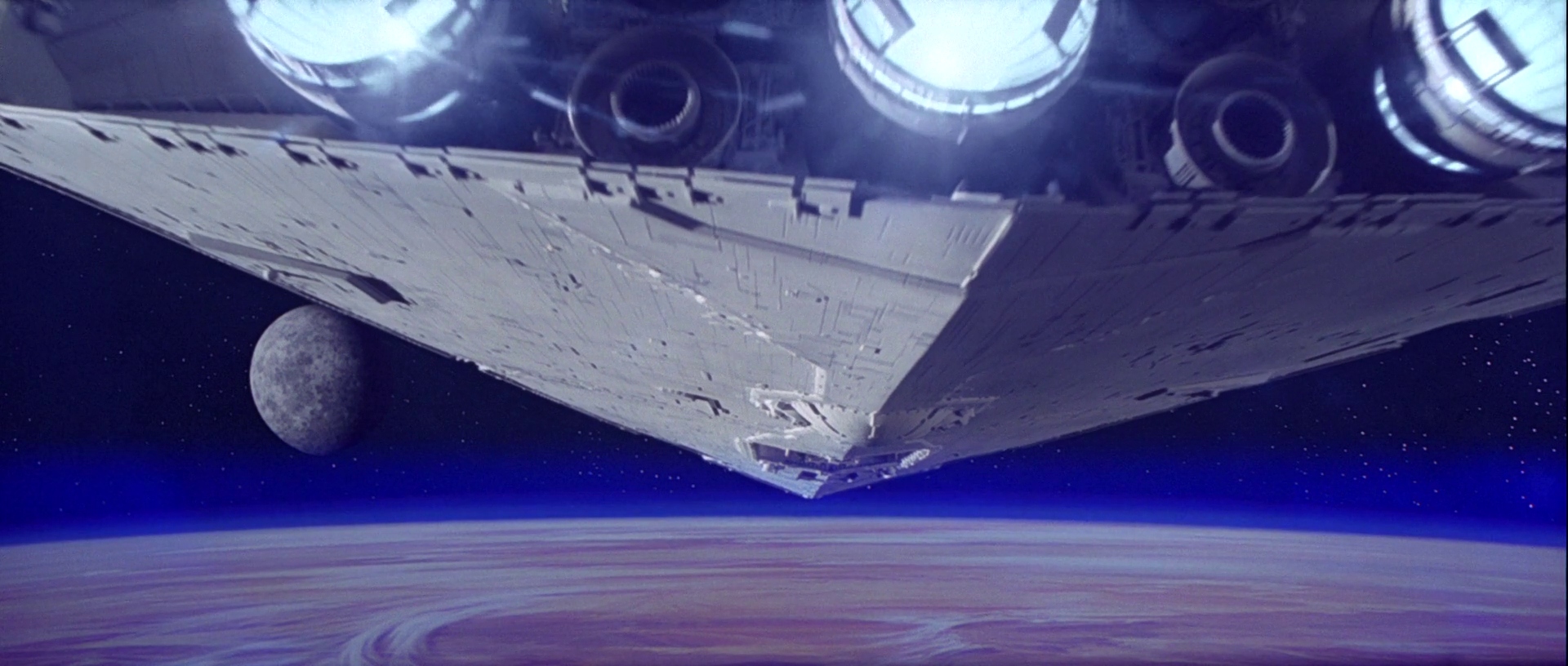
How Editing Saved Star Wars: Intercutting, Clarity, and Walter Murch’s Rule of Six
By Ajijul Hasan Surzo Date- February 26, 2026
As we all see Star Wars Episode IV released in 1977, it is true that we cannot really see the effort behind it to make it work this well. Today it feels like it was always perfect, but when you think deeper, you realize the final movie we watch is not only writing and filming. The editing decisions are a huge reason why it feels clear, exciting, and emotional.
Major issues with the original assembly edit
The way this film was written and filmed, after assembling the entire project, it felt like it was not really working yet. Besides other issues like props, set design, visual effects, and even some story parts, one of the most important issues was the intercutting.
Intercutting is an editing method that usually helps a film tell stories from different places and make them feel like they are happening at the same time. But it did not really work for Star Wars in the early version, because Star Wars is very information heavy. That made it hard to understand. And the person who can feel this before anyone else is the editor, because the editor is the first one who watches everything together and sees if the audience can follow it.
Since the film contains so much information, the human brain needs time to process it. But when the original cut did not give enough time to process, it started feeling complex.
The way the intercut scenes were written and edited in the beginning to show two places at the same time made it even harder. What I personally realized is that it can be difficult to understand when the story is jumping between space and a planet, especially at the beginning of a film. In the beginning, the audience is still learning the world. If they have to process too many locations too fast, they can get confused instead of getting interested.
How the problems were addressed in the final edit
At that stage, the only option left to save the film was to edit it again. So they did. It was not easy to establish Luke as the protagonist when the movie starts in space and then suddenly comes to a planet where Luke and his uncle are living with robots around. That transition could feel random or confusing if it is not built carefully.

So the edit used a bridge. The two droids were pushed into the story because of Princess Leia’s message, then they escaped, and they ended up on the planet where Luke stays. After that, the main story moves forward through the message to Obi Wan Kenobi and everything that follows. This way, the audience has one clear line to follow. Instead of jumping around, the story flows.
Deleting many early intercuts helped a lot. Also, other shots were removed so the film could stay in one track without becoming hard to understand. At the end of the day, it is still the director’s vision, but the editor’s job is to make sure that vision actually works for the audience.
How I apply Walter Murch’s theories to the movie
In In the Blink of an Eye, Walter Murch talks about the Rule of Six, and he makes it clear that a cut should mostly serve the story and emotion first. For me, that was the key to understanding why they had to re edit Star Wars. The assembled version was not strong enough on story clarity. So they had to reshape it until the story became the base again.
Once the story became clear, the emotion became clearer too. As Luke’s journey and emotion moved from one place to another, the audience traveled with him. That is the beauty of the theory. Of course, there are other things that matter like rhythm, cutting on action, music, eye trace, and even 2D and 3D continuity. But in this case, making the editing more direct and less confusing brought the movie back to the story track, and that is what made the film work so well.
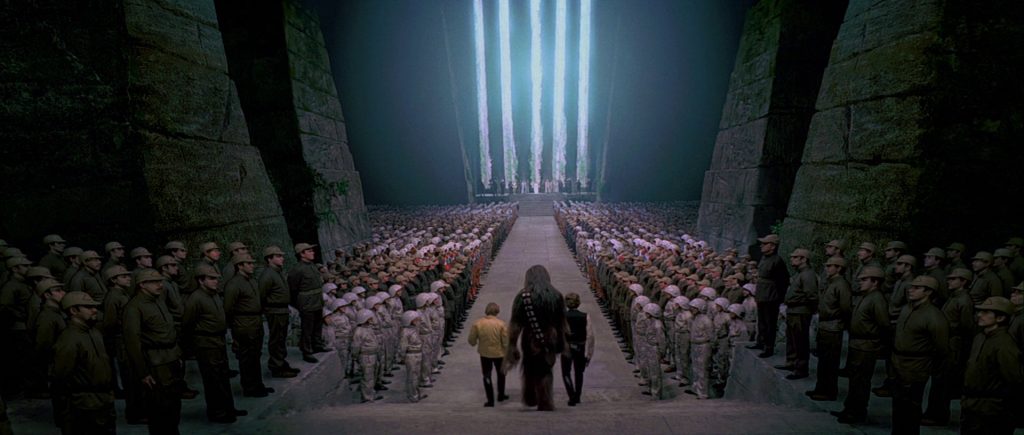
What lessons I learned for my own storytelling in my edits
What I learned is simple. The Rule of Six is not like a strict rule for every single edit, but it is a major theory that explains how editors have been working for a long time. It feels like Murch did not invent the idea out of nowhere. He noticed how strong editing already works, and then he clearly organized the priorities.
I also really connect with one idea from Murch. If you give the same film to two different editors, you will get two different films. That is very true. Every editor has their own style and their own way of prioritizing things. Sometimes one editor may focus more on rhythm, another editor may focus more on emotion, and the result can feel completely different.
And another big lesson is that even if a film has already been shot and assembled, there is still a way to make it exceptional if it did not work well in the beginning. That is exactly what happened with Star Wars. I learned that in daily life, things do not always go the way we plan, and filmmaking is the same. But understanding what is not working, and then fixing it the right way, is the real game changer. That is the main lesson I am taking from this film and this editing story.
The Role and Impact of the Film Editor: Insights from Walter Murch’s In the Blink of an Eye
By Ajijul Hasan Surzo (6th February 2026) Introduction A film editor

Visionary Bangladeshi Filmmaker আজিজুল হাসান সূর্য (Ajijul Hasan Surzo) Redefines Global Cinema Through Fields of Freedom
আজিজুল হাসান সূর্য, globally known as Ajijul Hasan Surzo, is a pioneering filmmaker whose storytelling transcends borders